I design apps for iPhone, iPad and Mac, and most of the time I build them too.
I worked on Seahorse in San Francisco, then on Cornershop back in Chile, where I
went from writing the first iPhone app to Head of Design and stayed on after Uber
bought it. On the side I make my own apps, like Figurative and Fernando.
Notable
Owned product and design at Cornershop from day zero, and wrote a lot of the code too. Tons of people loved it. Uber bought it.
I really like software to be easy. I call it abuelita driven design (even gave a talk at Universidad de Chile about it).
No design degree, so I used to call myself a fake designer. Chile Diseño put me on their jury anyway, in 2019.
I'm proudest of my Ditto conga meme. It went viral.
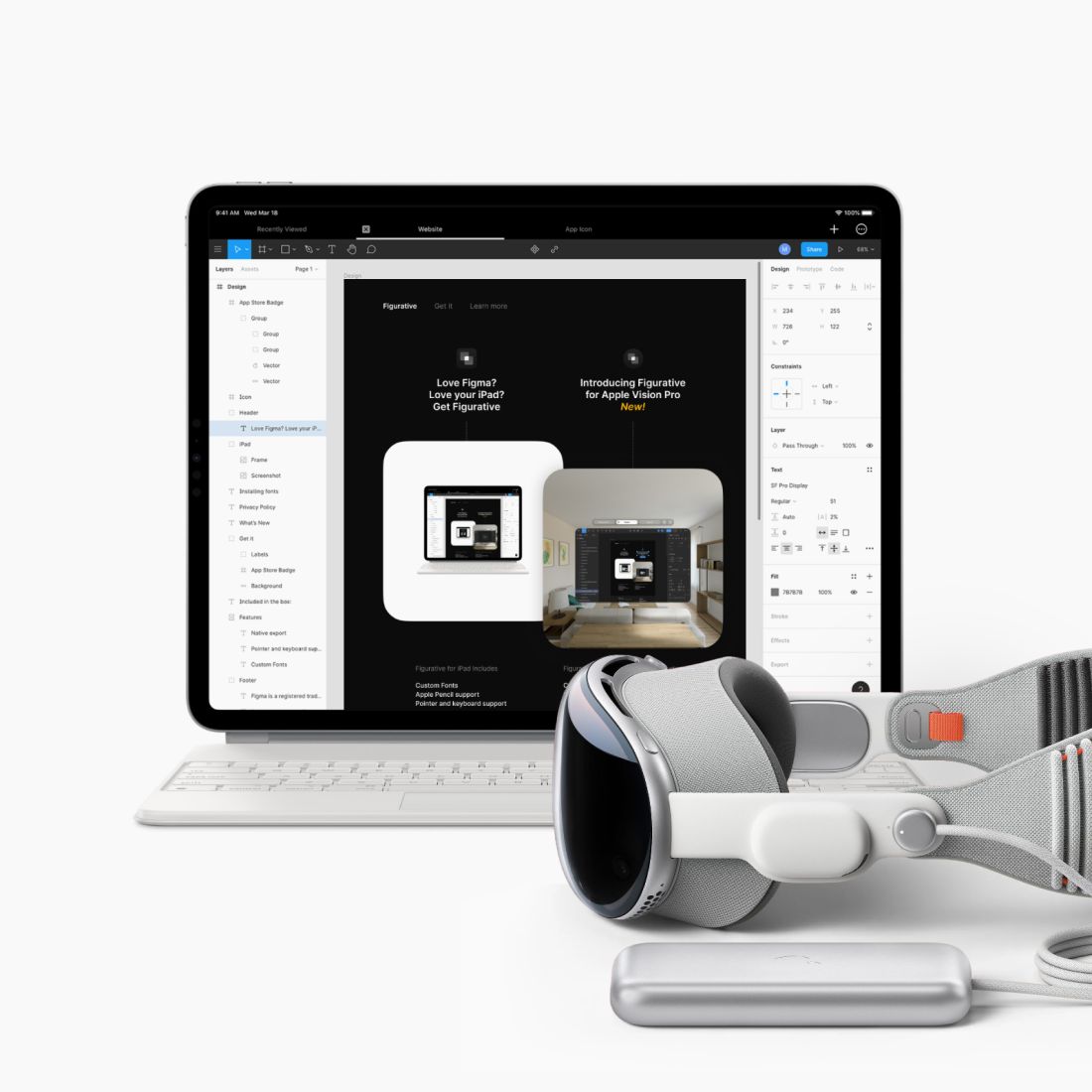
I love building apps. On my own I ported Figma to the iPad with Figurative, and the App Store featured it.
Sorry, a system error occurred.
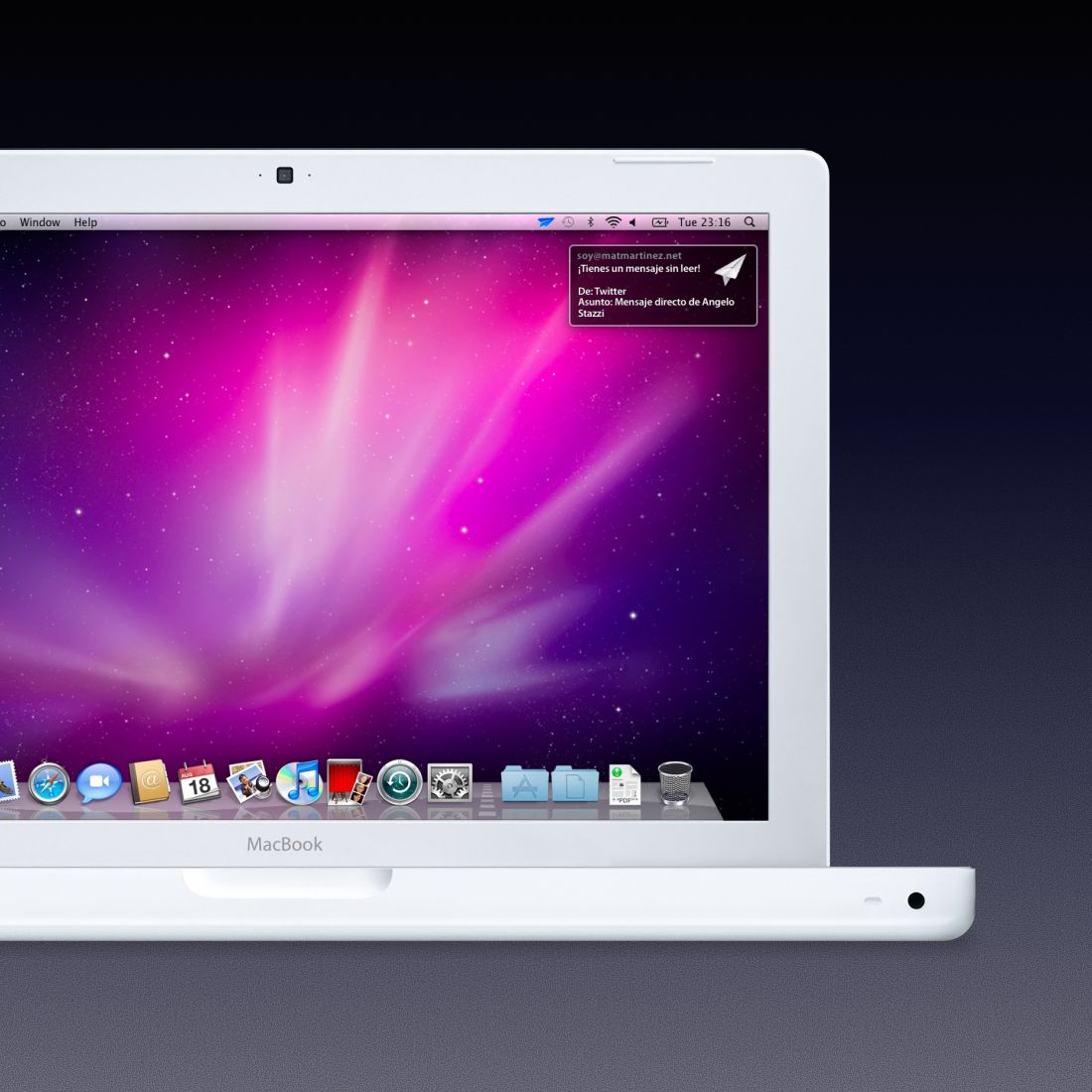
“Stickies” out of windows
A grocery delivery startup, in Latin America and beyond
Design · Product · iOS · Web
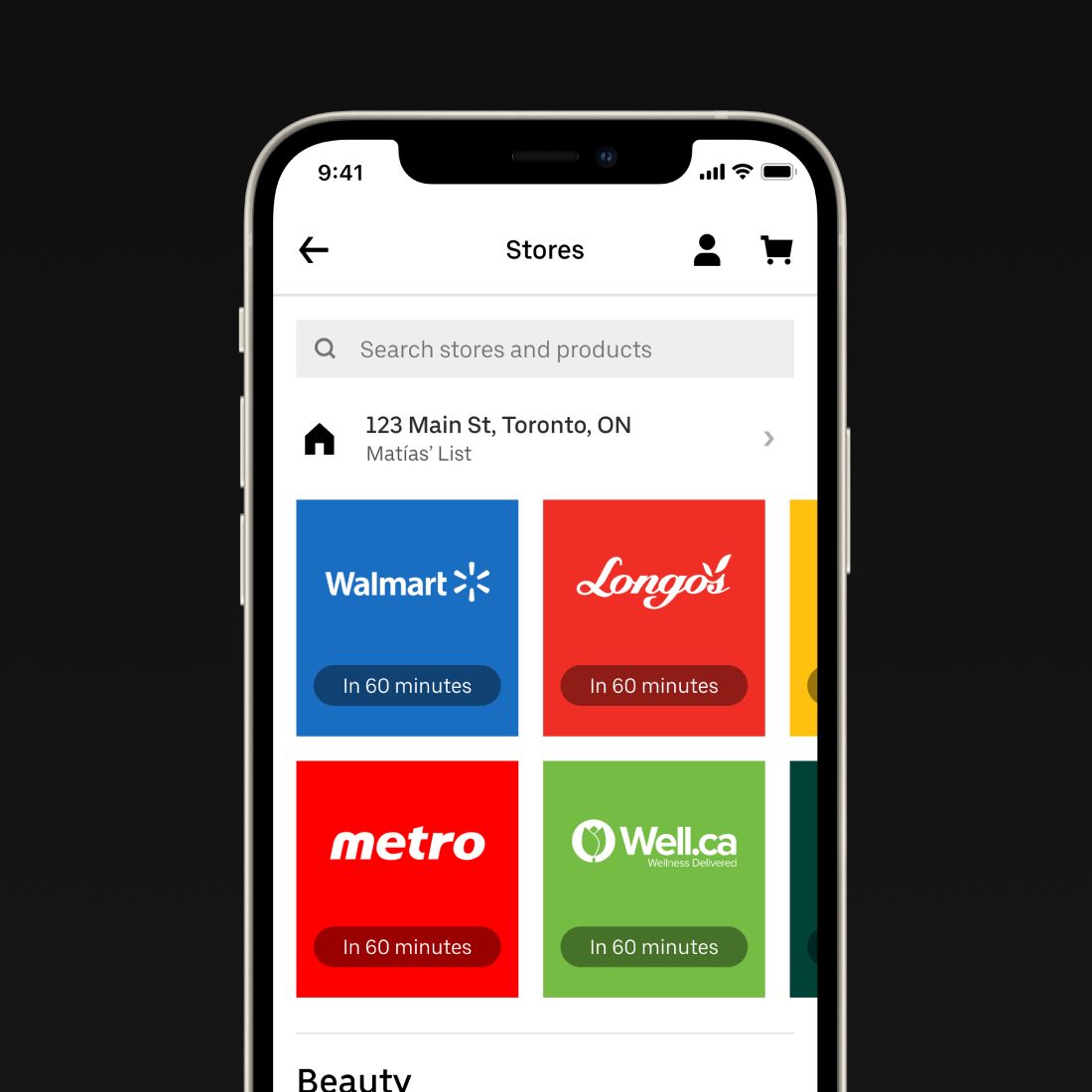
Cornershop let you buy groceries from your phone. You picked a supermarket or shop near you and filled a cart, and a shopper went to that store, picked your items and brought them to your door. The promise was one hour. It launched in 2015, in Mexico City and Santiago at the same time.
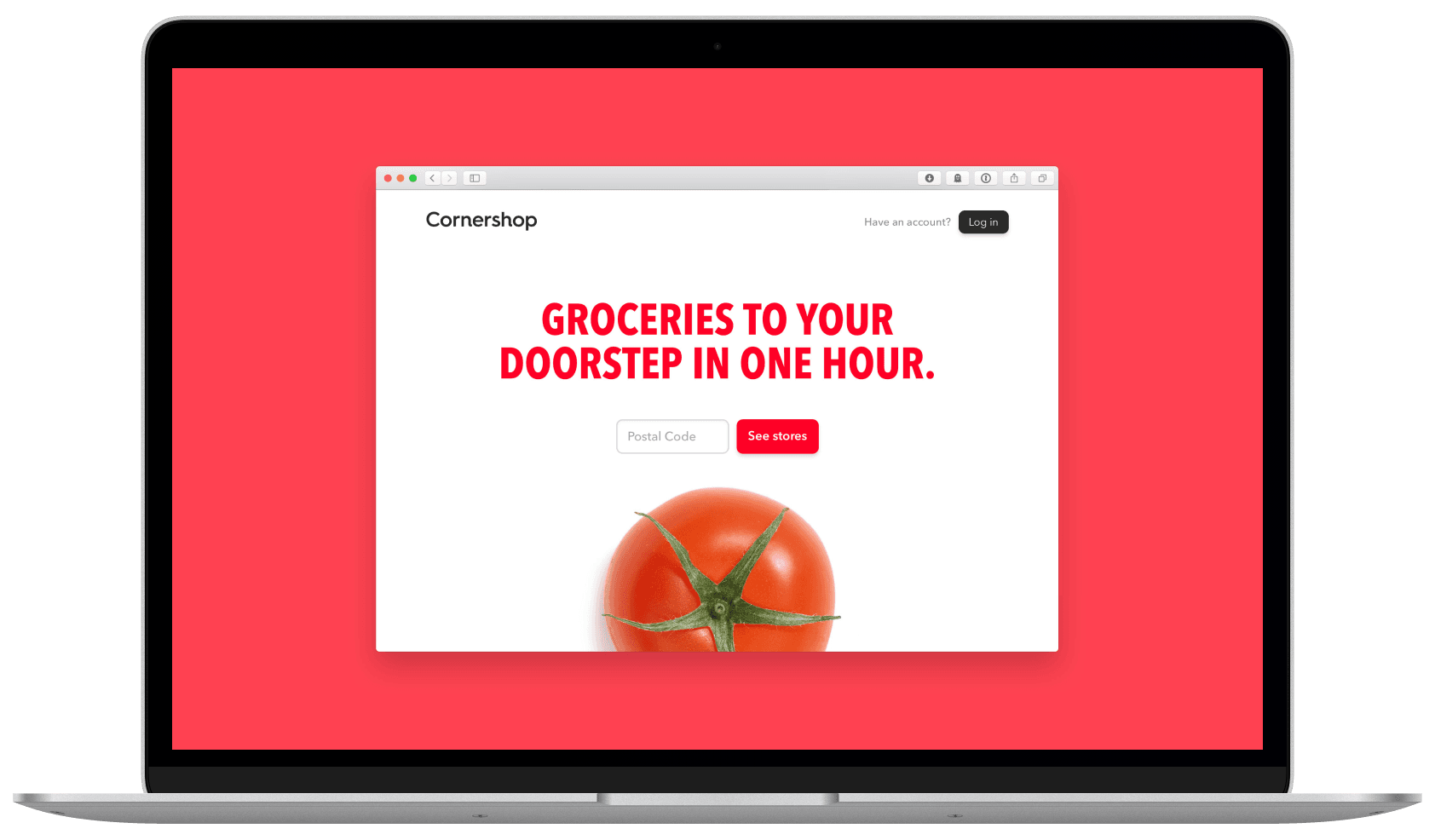
The first landing page. One promise, one field, one tomato.
Abuelita driven design
Cornershop came out of the team that had just failed with Seahorse. Daniel Undurraga, one of the founders, later said that Seahorse was where we’d learned to make mobile apps. I took scars from building for a real market, and the belief that software has to be really, really easy to use. I called it abuelita driven design. Abuelita is Spanish for grandma: design as if every customer were a grandmother who isn’t sure what she’s doing, and the app still has to work for her. I gave a talk about it at the Universidad de Chile in 2019. Grandmas aren’t hackers, so the inspiration was always the apps that come with the phone. Designing for them also made Cornershop accessible to the many customers with poor eyesight or reduced mobility.
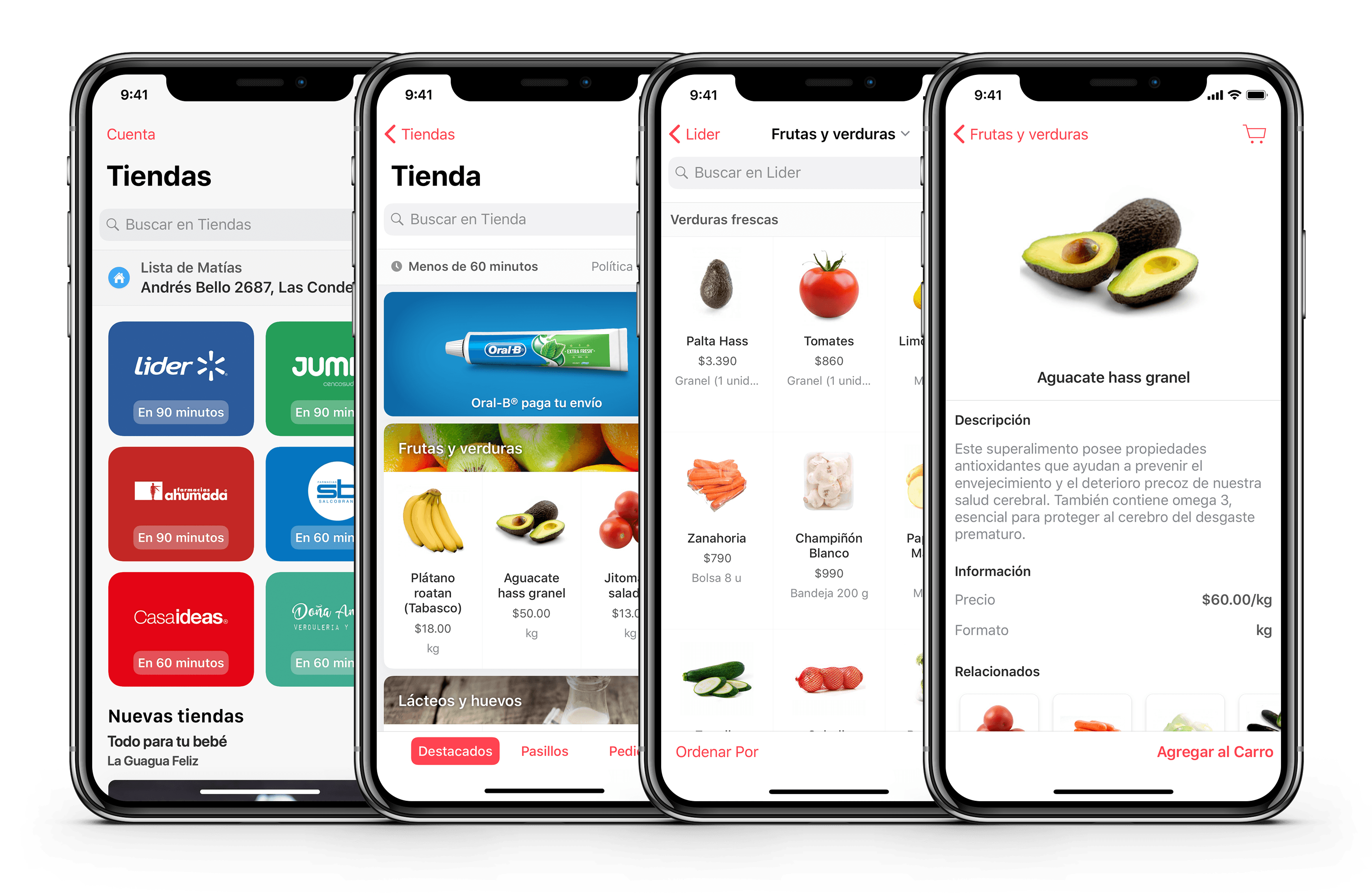
In practice that meant a simple, physical structure that anyone could follow, like the aisles of a store. From the first version, the customer app had four levels: the stores near you, a store, one of its departments, and a product. Each one was its own screen, and you could swipe forward to the next level as well as back, the way you go back and forward between pages in Safari.
The four levels, left to right.
I wrote that iPhone app and built the landing page. My title was still Software Wizard. Then I ran the team that made the customer apps for iPhone, Android and the web, then all of product as Head of Product, and finally design alone, as Head of Design.
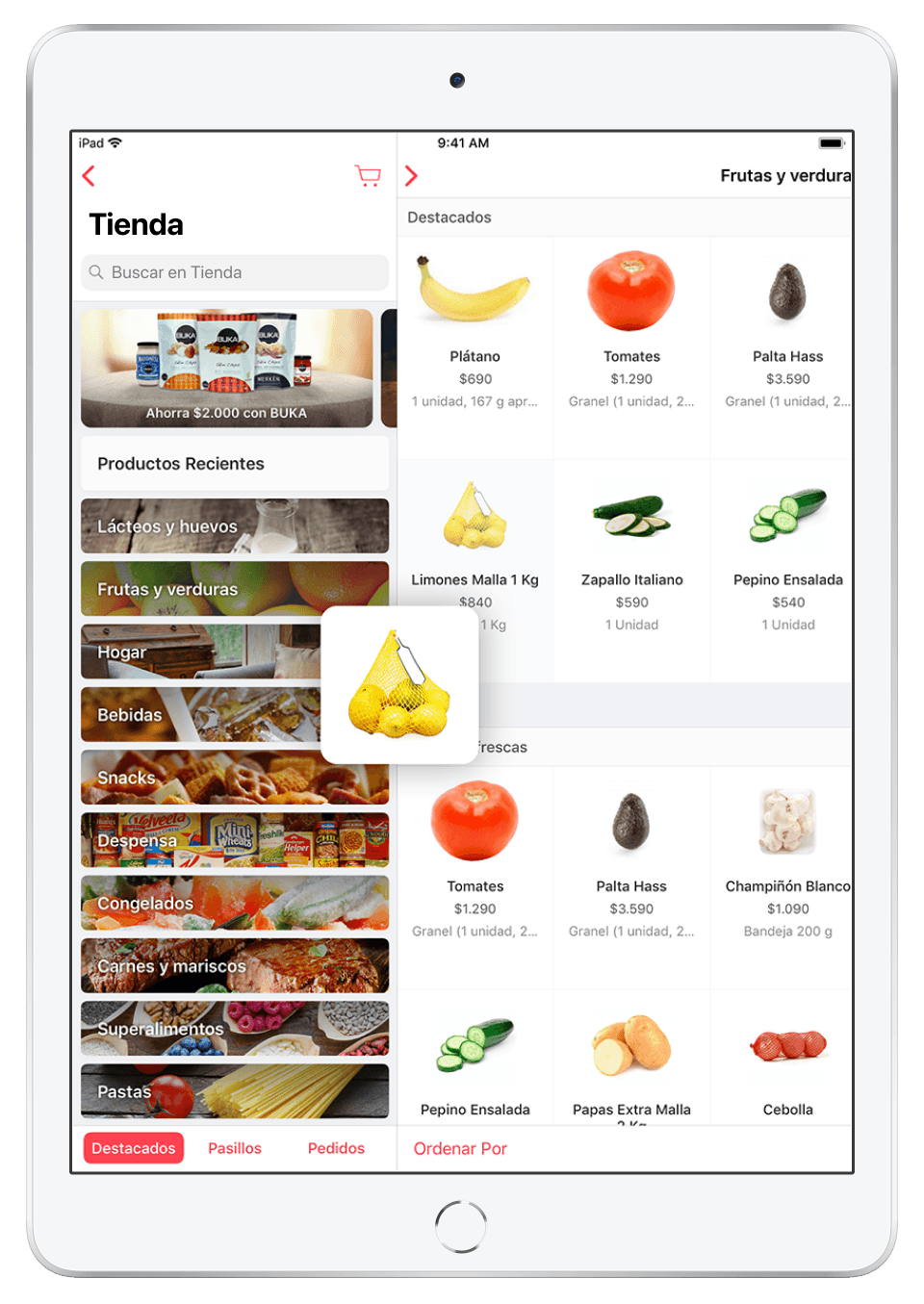
On iPad the levels sit side by side, and you drag what you want into the cart.
More than one app
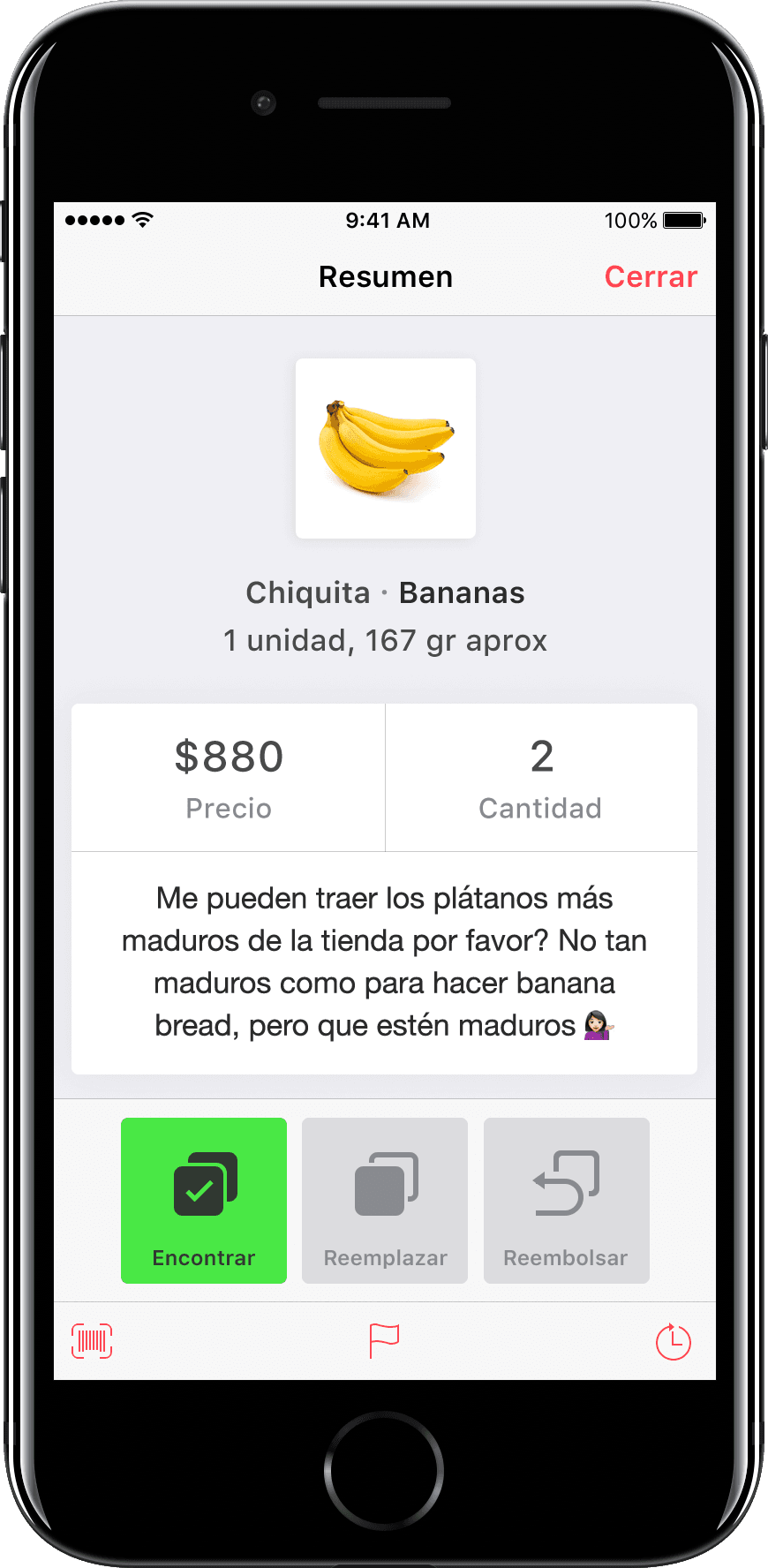
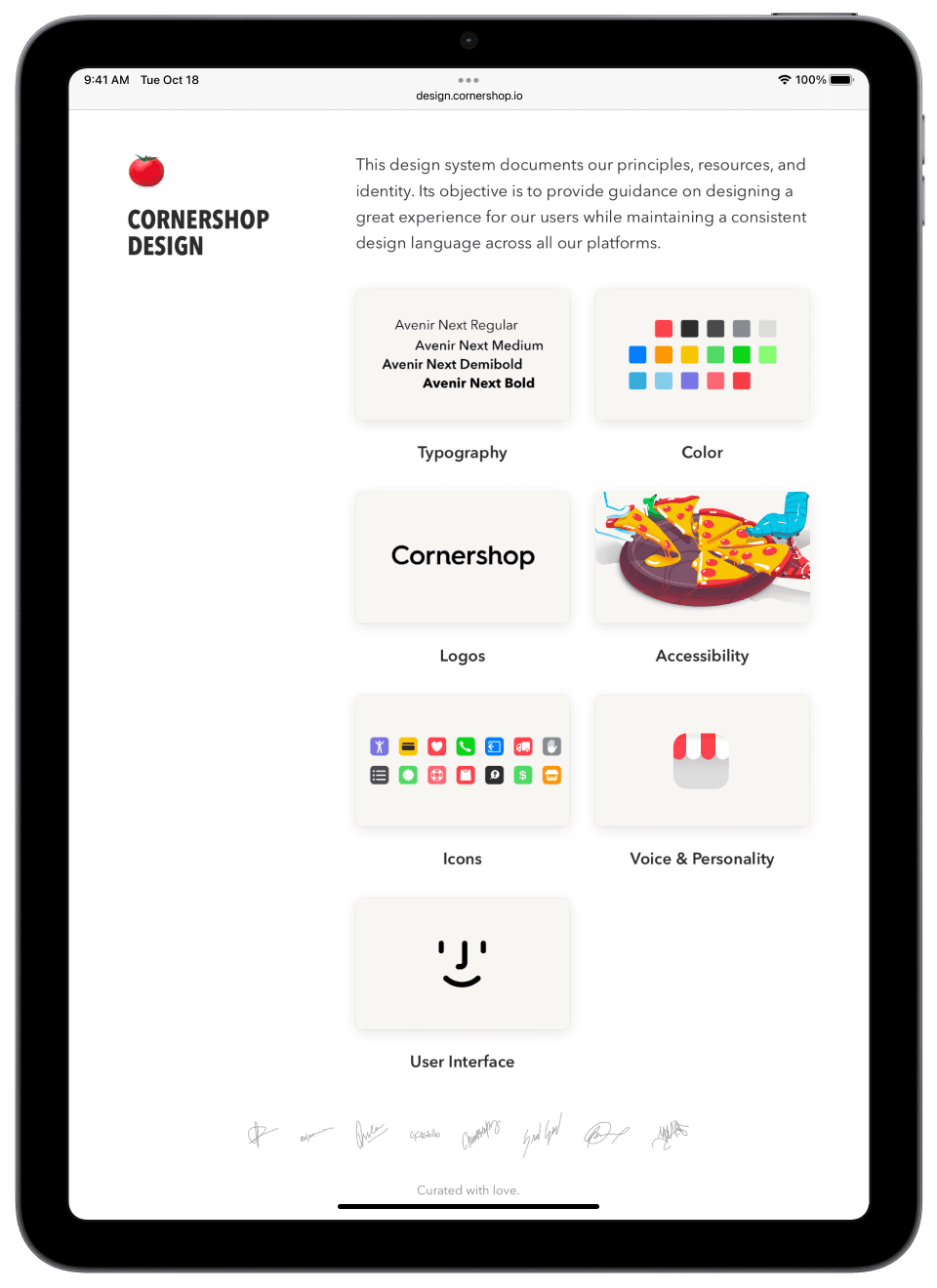
Customers only ever saw one app, but Cornershop ran on several, and design grew into a team to cover them: product designers, marketing designers, and content designers for everything that went into the app. I designed the shopper app myself, with the same focus on ease of use, so that anyone could become a shopper. We had shoppers of all ages. Other designers took on the software stores used to sell on Cornershop, and the tools brands like P&G used to see how their products did across every store and to buy advertising. We wrote it all down in a design system, starting with our design principles, then type, color, icons and voice.
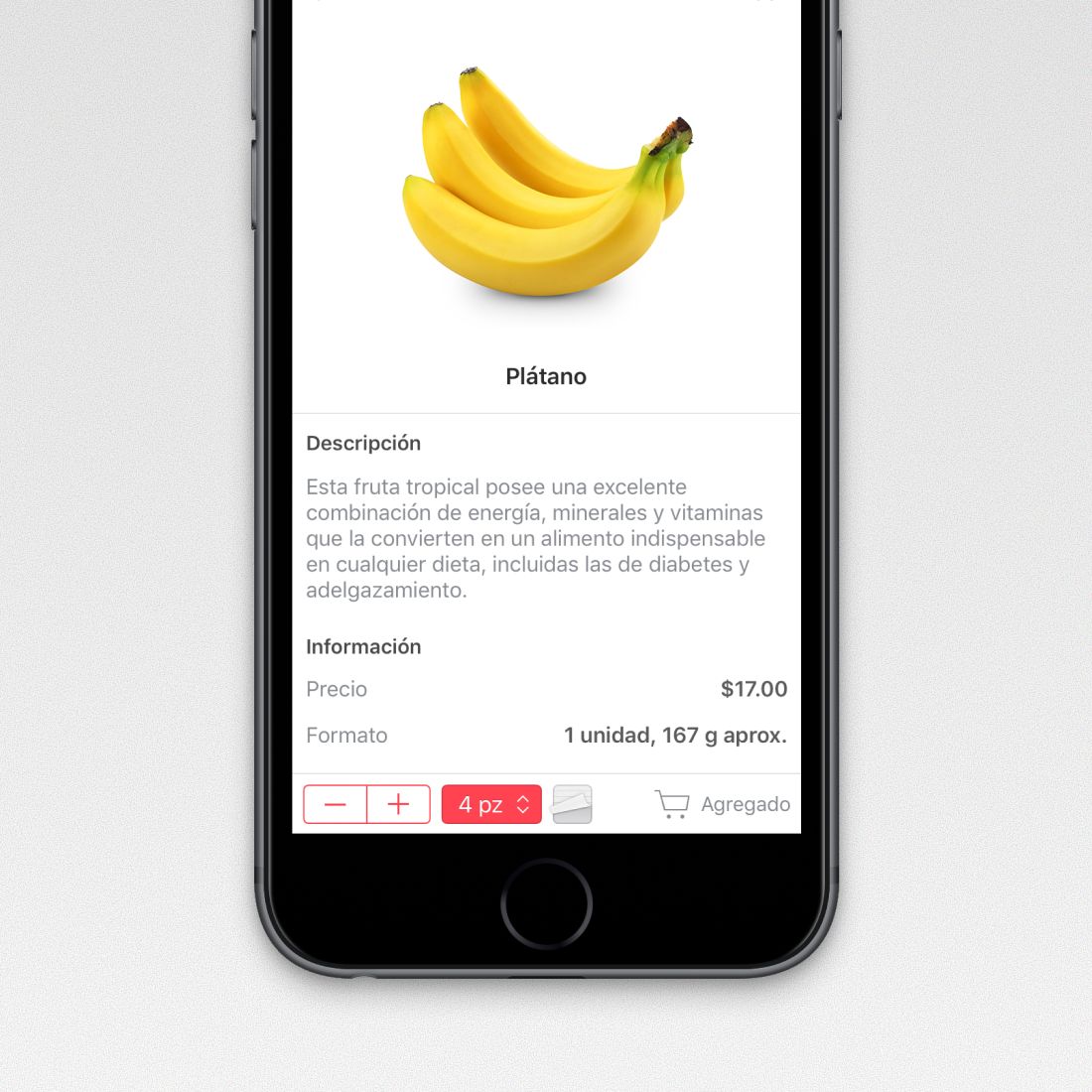
The shopper app. Shoppers had to pick the way the customer would, so the customer’s note, here asking for the riper bananas, sits right on the item.
Where the brand got to talk
Most of my work on the brand was pushing it out of the way. You opened Cornershop to buy groceries, not to look at us. The logo was on the icon you tapped, and after that the screen belonged to the stores and the products. I wanted the brand as close to invisible as I could get it.
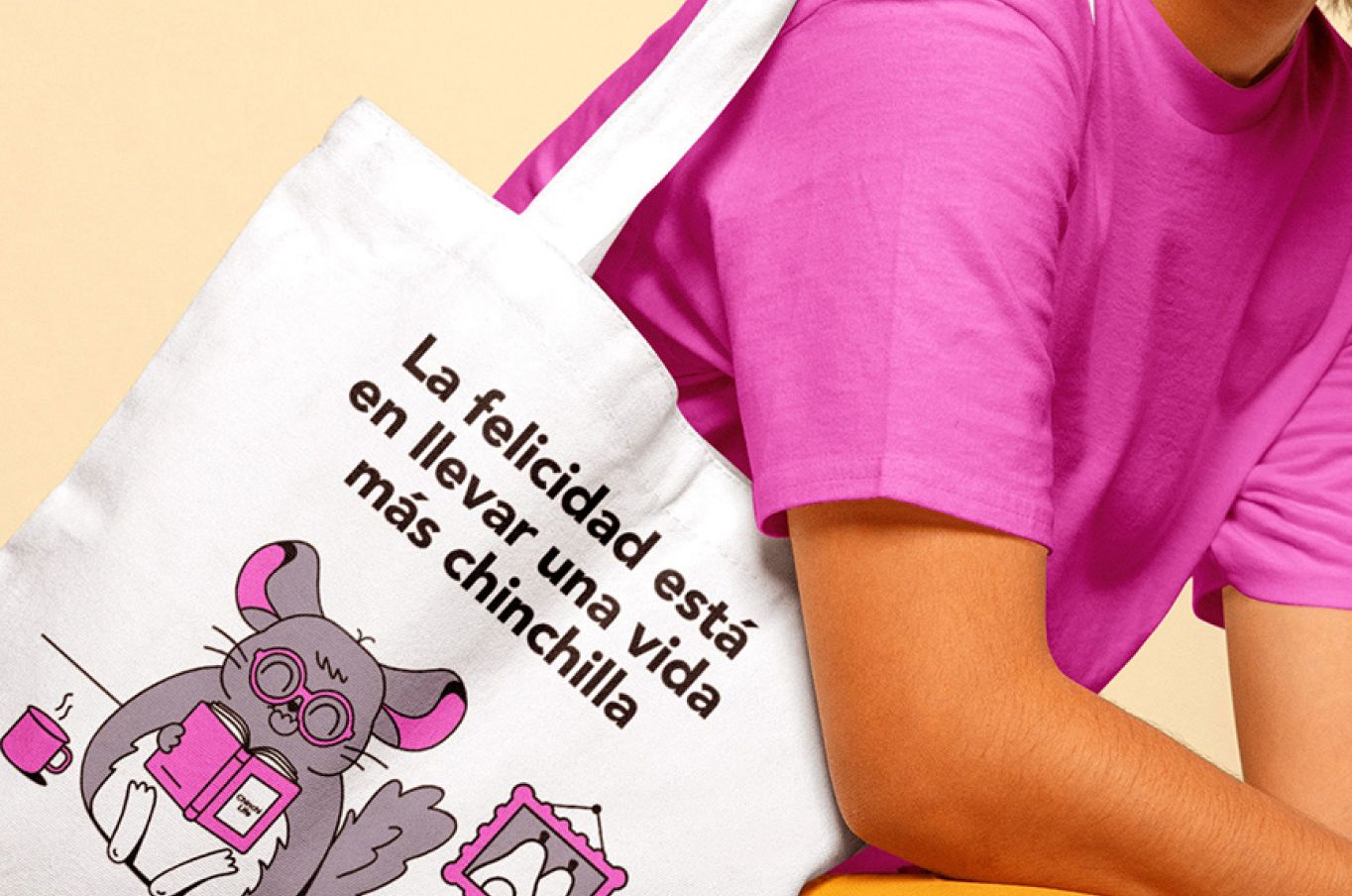
The brand had a sense of humor too, and it came out in the places that weren’t in anyone’s way. One was the bags your groceries came in. Each had a different line printed on it, and a drawing to go with it.
“Happiness is living a more chinchilla life.”
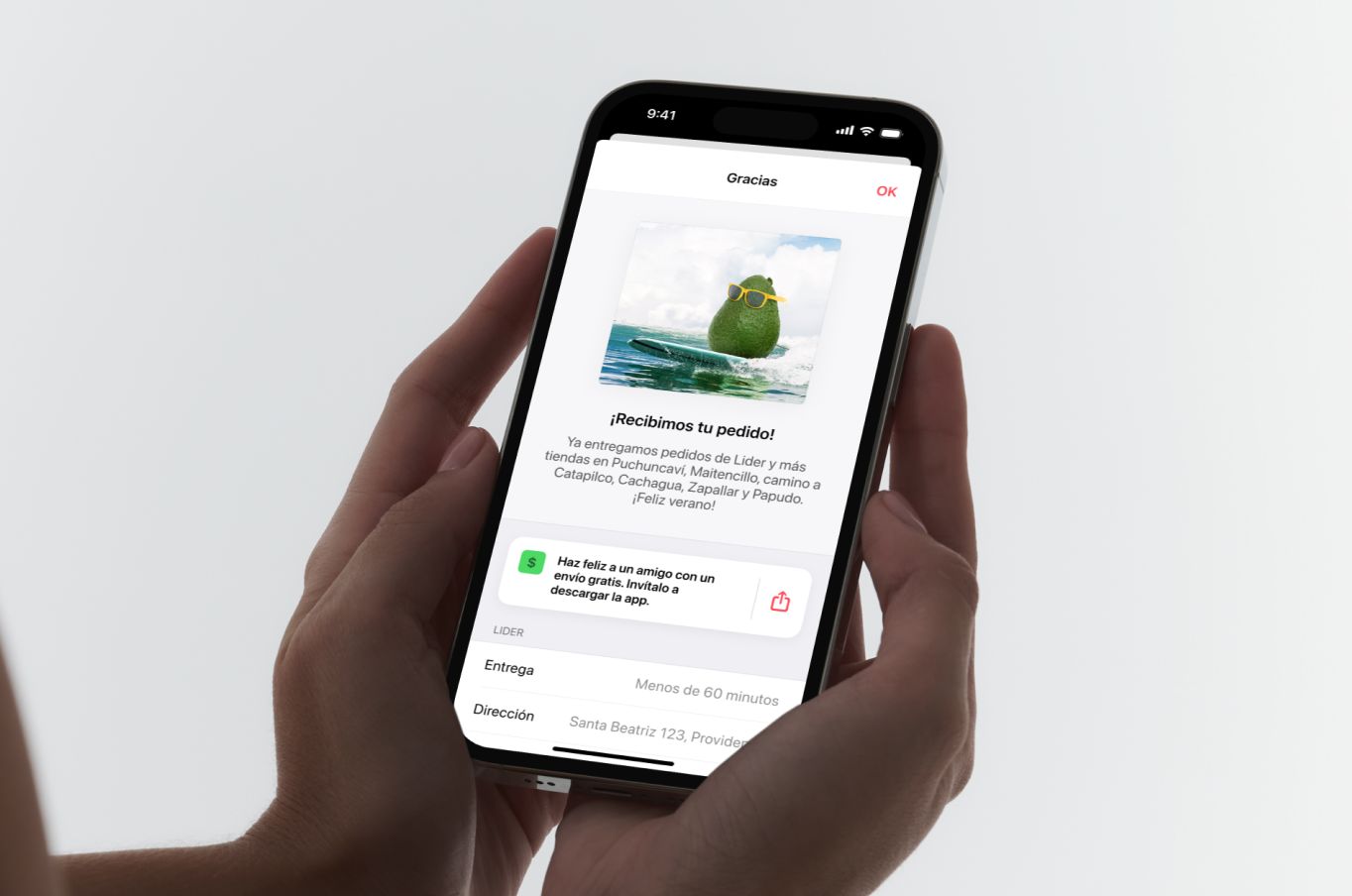
The other was the post-checkout: the screen that came up after you placed an order. It pulled a message at random, so it was different every time. Dad jokes, mostly. An editorial team wrote them, and my designers drew art for each one.
One of the messages. It was summer, and we’d started delivering up the coast.design.cornershop.io. Signed at the bottom by everyone who worked on it.
My favorite part of the job
By the end design was about thirty people, in Chile, Mexico, Brazil and Canada, and I drew the org the way the company was shaped rather than by craft. It came out in four groups.
Product design I split by who it was for, not by platform. One designer owned customers, one shoppers, one merchants, one brands, and one the tools we used in-house. Each had the surfaces their audience touched underneath them: orders, content, checkout and support for customers; picking, handoff, earnings and onboarding for shoppers; whitelabel stores for merchants; ads, promotions and reports for brands. The in-house group mirrored the other four, because the person answering a shopper at two in the morning needed an app as much as the shopper did.
Communications had its own art director in each country, with project design leads by region and one designer on the design system. Production made everything that wasn’t an interface: product photography, motion, animation, the artwork brands and merchants ran on the store. Operations, the last group I built, was the producers and project managers who kept work moving across all of it.
I hired on prior work, looking for the most passionate person in their field, and from inside the company wherever I could. Designers on my team had started as frontend engineers, or in roles that put them with shoppers every day. Like me, you didn’t have to be a designer to work in design.
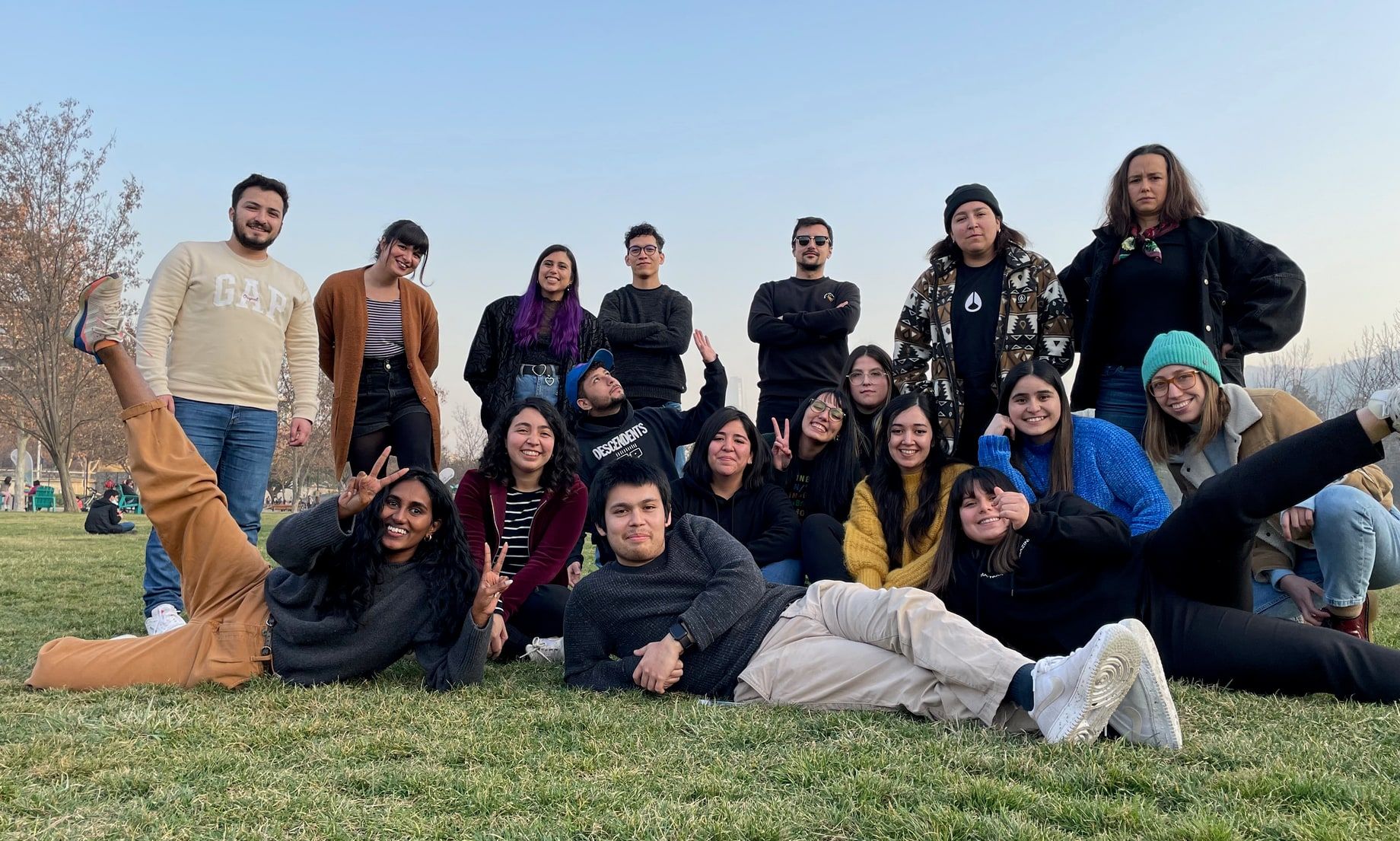
Product design, out of the office. Parque Bicentenario, in Santiago, at one of the in-person meetings we started having again once the COVID restrictions lifted.
How it went
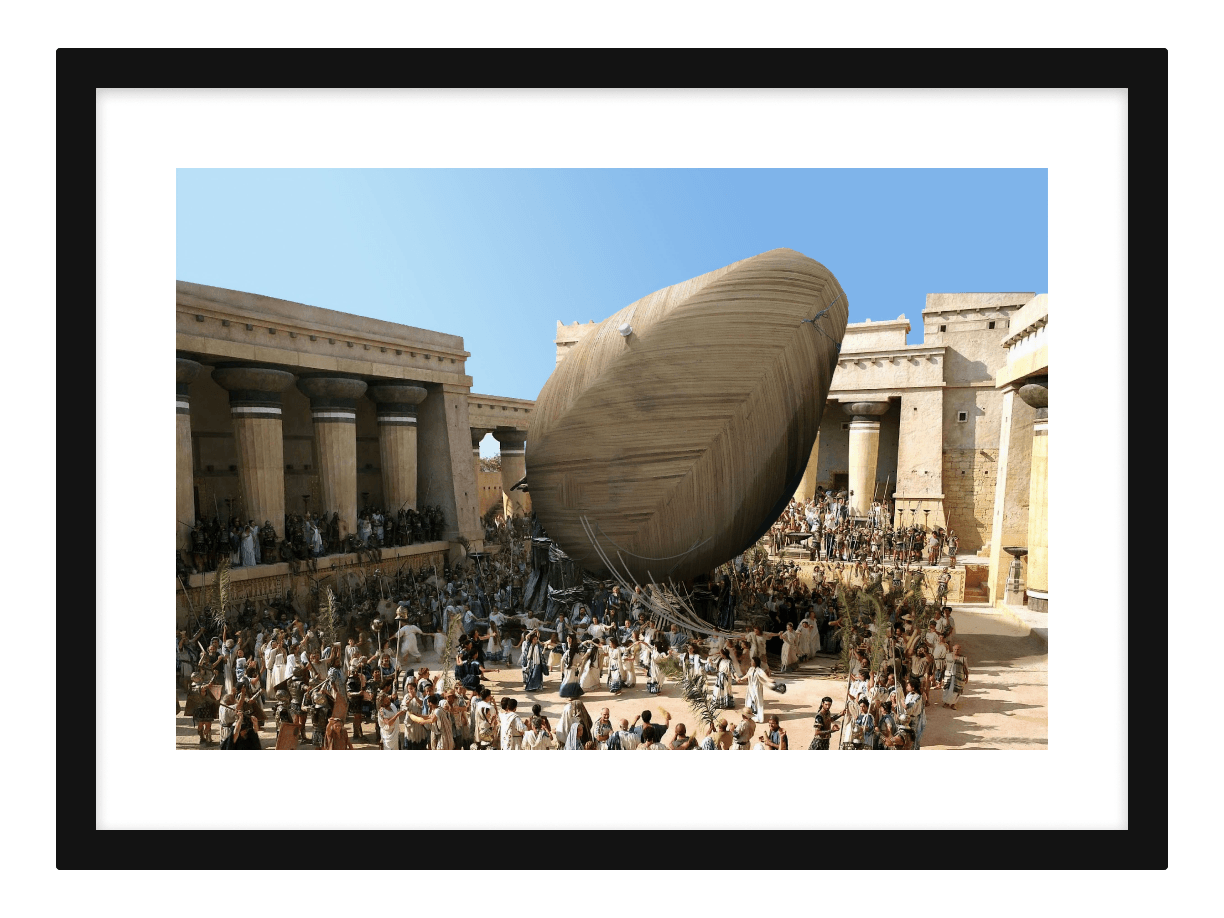
Oskar and I had a name for the bigger plan: the Trojan Avocado. Groceries were the way into people’s homes, and once you were the one bringing their avocados every week, the rest of retail could follow. I Photoshopped it into a painting, and it became the vision: a mandatory slide in every investor deck, all-hands and internal update.
The Trojan Avocado, framed.
It grew fast, with customers doubling in a year. In 2018 Walmart agreed to buy Cornershop for $225 million, then the highest offer ever made for a Chilean startup. Mexico’s competition regulator blocked it. We kept going, and opened in Peru and Canada.
Then Uber agreed to buy a majority of the company instead. What came after is Uber Grocery.